

About SHOEI
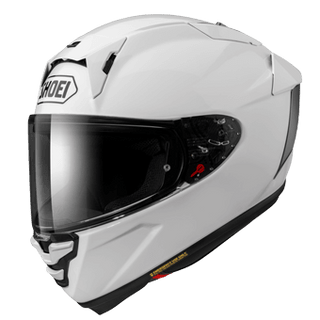
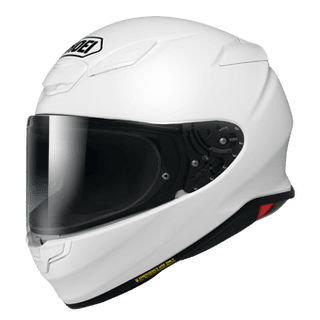
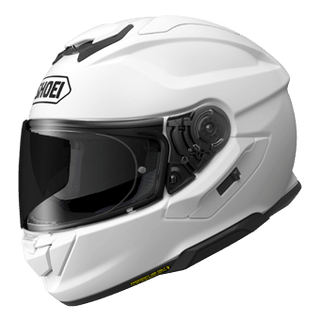
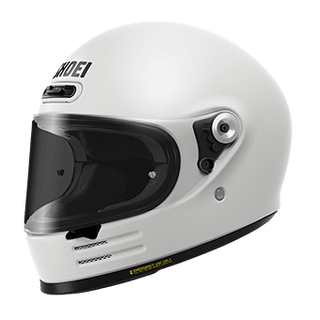
Founded in Japan in 1959, Shoei has spent more than six decades dedicated to the development of premium motorcycle helmets. From the very beginning, the company’s focus has remained unchanged: to produce helmets that meet the highest possible standards of safety, comfort, and performance, without compromise.
Unlike mass-production manufacturers, every Shoei helmet is crafted entirely in Shoei’s own factories in Japan. Each helmet passes through more than 50 individual production processes, many of them carried out by hand. This approach allows Shoei to maintain exceptional levels of quality control, consistency, and attention to detail at every stage of manufacture.
Safety sits at the core of everything Shoei does. Every helmet is developed to meet and exceed international safety standards, including ECE approval, and is subjected to extensive in-house testing. Shoei’s dedicated test facilities include impact testing laboratories and a full-scale wind tunnel, enabling precise evaluation of aerodynamics, stability, ventilation, and noise under real riding conditions.
Shoei’s long-standing involvement in professional racing plays a key role in this development process. The knowledge gained from competition at the highest-level feeds directly into the design of helmets intended for everyday road use. This ensures that performance benefits proven on the track deliver tangible advantages for riders on the street, whether in terms of protection, comfort, or fatigue reduction over long distances.
Fit and comfort are treated with equal importance. Shoei helmets are designed around a carefully developed internal shape, with multiple shell sizes and adjustable interior components to help achieve a secure, balanced fit. This focus on ergonomics ensures that protection works as intended while maintaining comfort throughout the ride.
Today, Shoei helmets are worn by riders around the world, from daily commuters to professional racers. While technology and materials continue to evolve, Shoei’s philosophy remains the same as it was in 1959: to build helmets without shortcuts, guided by experience, precision, and an uncompromising commitment to rider safety.
