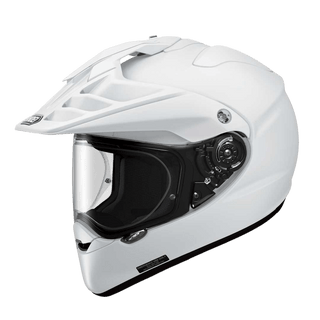

How Long Does a SHOEI Helmet Last?
When to Replace Your Lid
The Answer Isn't as Simple as "Five Years"
You've probably seen it written somewhere. Five years. Replace your helmet every five years. Some say seven. Some say the moment it hits the floor. And if you've spent the best part of £500 on a SHOEI, you're right to want a proper answer rather than a number someone plucked from thin air.
The truth is, helmet lifespan isn't fixed. It depends on how you ride, how you store it, and what's happened to it along the way. A helmet that's been garage-kept, ridden seasonally, and looked after properly will outlast one that's been rattled around a topbox every day for three years. A lid that's taken a low-speed drop might need replacing the same week you bought it.
So here's the honest version, what actually degrades, what to look for, and when SHOEI themselves say it's time.


What SHOEI Actually Recommends
SHOEI's official guidance is to replace your helmet within five years of first use, or seven years from the date of manufacture, whichever comes first. That date of manufacture is printed on a label inside the helmet, usually on the chin strap or the EPS liner.
This isn't arbitrary. It's based on the degradation rates of the materials used in construction. The AIM shell, the EPS liner, the retention system, the comfort padding, all of it changes over time, regardless of whether the helmet has been involved in an impact or not.
Five years feels short when you've invested in something built this well. But it's worth understanding why the recommendation exists before deciding to ignore it.
Five Things That Shorten a Helmet's Life
How you treat your helmet day to day has a direct effect on how long it performs as it should. These are the five most common ways riders unknowingly shorten its lifespan.
- Any impact, even a minor one: if your helmet has been dropped from height or been in a crash, it should be inspected or replaced. EPS crushes on impact and doesn't recover. The helmet might look fine. It isn't.
- Petrol, solvents, and the wrong cleaning products: petrol degrades the shell resin, as do aerosol sprays, insect repellents, and many general-purpose cleaners. Use warm water, mild soap, or a purpose-made helmet cleaner only.
- Poor storage: UV, heat, and damp all accelerate degradation. A helmet stored in a hot garage or left on a sunny windowsill is ageing faster than one kept cool, dry, and out of direct light.
- Carrying it badly: hanging a helmet from a mirror by the chin strap puts stress on the retention system over time. Small habits, repeated daily, accumulate.
- Heavy daily use: a helmet used every day for commuting, packed into a topbox, exposed to rain and heat cycles, reaches the end of its useful life faster than one used for weekend rides only.
Why Helmets Degrade Over Time
Every helmet is a combination of materials that all age at their own rate, and none of it is visible from the outside.
- The AIM shell: SHOEI's composite of fibreglass, organic fibres, and resin becomes more brittle over time through UV exposure, sweat, and age. It can look perfect while its ability to manage impact energy has already diminished.
- The EPS liner: the most critical component. It absorbs impact energy by crushing, which is a one-time process. Even without a crash, EPS degrades slowly through compression from regular use and years of body heat.
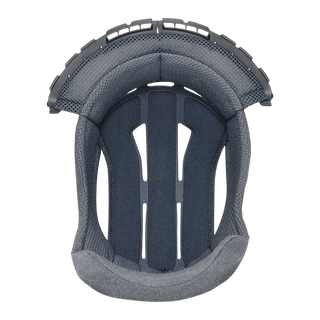
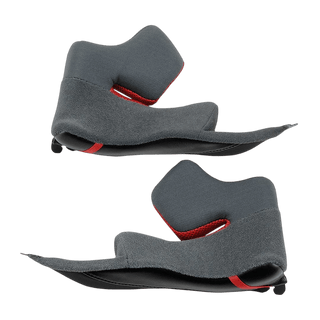
- The retention system and padding: the chin strap, D-rings, and internal padding wear in ways you can feel. Comfort padding can be replaced. The structural components cannot.

Signs It's Time to Replace Your Helmet Now
You don't always need to wait five years. Replace your helmet immediately if:
- It has been involved in any impact, regardless of how minor it looked
- The shell is visibly cracked, dented, or delaminating
- The EPS liner is cracked, crushed, or has visible damage
- The retention system feels loose, frayed, or the D-rings show wear
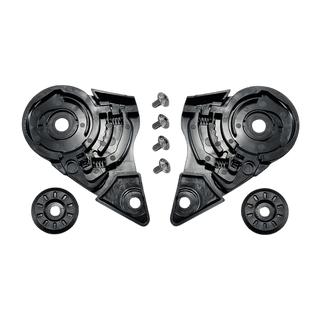
- The visor mechanism is damaged and can't be made secure
- The padding has compressed so much the fit is noticeably different from new
- You can't read or verify the manufacture date label
How to Make Your SHOEI Last Its Full Lifespan
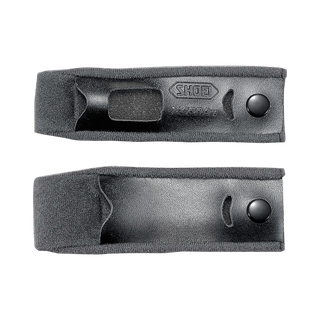
Store it in a helmet bag away from direct light and heat, and clean it with appropriate products only, warm water and mild soap for the shell, nothing solvent-based near it. Check the visor and retention system regularly, and keep a note of the manufacture date so you're not guessing when it's time. If the comfort lining becomes compressed or worn, replace it, SHOEI padding is available as a spare part and refreshing it extends comfort without affecting safety. The padding is worth replacing. The shell, EPS, and retention system are not components you can refresh, when those are done, the helmet is done.
When You're Ready for a New Lid
If your helmet is coming up to five years, or you've had an impact, or the fit just isn't what it was, that's the signal. Browse the current SHOEI range at shoeiuk.com, or come into the SHOEI Gallery Birmingham where we can fit you properly using the Personal Fitting System. A helmet that fits correctly from day one is a helmet that will serve you well for the full five years.
Book your PFS appointment online | Browse helmets at shoeiuk.com | Visit us at 4 College Street, Birmingham B31 2US